
Portsmouth Hedging Services
Choose our expert hedging services for precision, reliability, and beautiful results that elevate your property's privacy, curb appeal, and value.
Get a Free QuoteOur Portsmouth Landscaping & Yard Care Services
When to Schedule Hedging in Portsmouth, Rhode Island – Seasonal Guide
In Portsmouth, Rhode Island, the best times to schedule hedging are typically late spring and early fall. These periods offer moderate temperatures and consistent rainfall, which help shrubs and hedges recover quickly after trimming. The local climate, influenced by Narragansett Bay, brings humid summers and cool, sometimes frosty winters, so timing your hedging to avoid extreme weather is essential. For neighborhoods near Glen Farm or along East Main Road, where shade coverage and soil moisture can vary, it's important to consider microclimates that may affect plant growth and recovery.
Local environmental factors such as the average last frost date in early May and the risk of summer droughts should guide your hedging schedule. Areas with dense tree cover, like those near Melville Park, may require different timing than open, sun-exposed properties. Additionally, Portsmouth’s municipal guidelines and neighborhood associations sometimes set restrictions on landscaping activities, so always check for updates on local regulations before planning your service.
Local Factors to Consider for Hedging in Portsmouth
- Tree density and shade coverage
- Soil type and drainage (sandy soils near the coast vs. richer inland soils)
- Average precipitation and drought risk
- Frost dates and seasonal temperature swings
- Terrain and accessibility (especially in hilly or waterfront areas)
- Municipal or neighborhood landscaping restrictions
Benefits of Hedging in Portsmouth
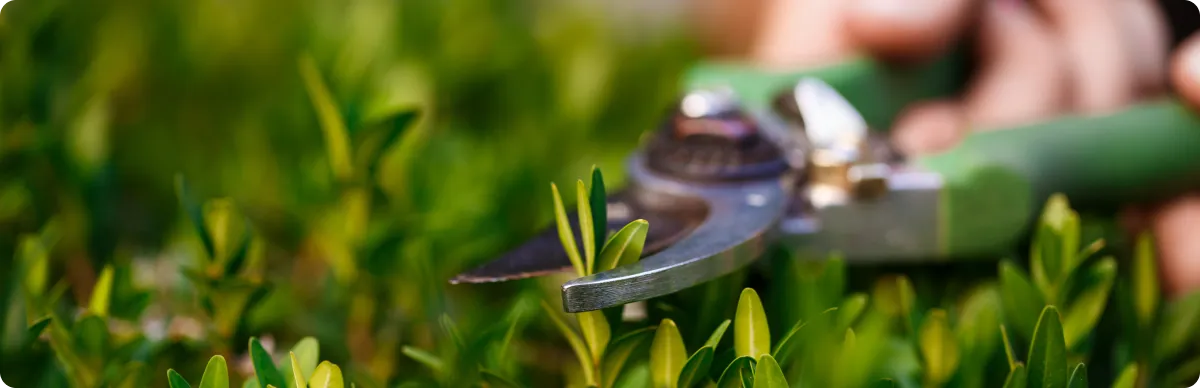
Professional Hedge Trimming
Enhanced Curb Appeal
Improved Garden Health
Reliable Local Service
Custom Landscaping Solutions
Year-Round Maintenance
Portsmouth Hedging Types

Privet Hedging
-
Laurel Hedging
-
Boxwood Hedging
-
Yew Hedging
-
Beech Hedging
-
Holly Hedging
-
Hornbeam Hedging
Our Hedging Process
Consultation and Planning
Site Preparation
Precision Trimming
Cleanup and Inspection
Why Choose Portsmouth Landscape Services
-
Portsmouth Homeowners Trust Us
-
Expert Lawn Maintenance
-
Reliable Seasonal Cleanups
-
Competitive Pricing
-
Professional Team
-
Satisfaction Guarantee
-
Personalized Service
Hedging and Portsmouth’s Glacial Till Soils: Site Preparation and Plant Selection
Portsmouth’s landscape is shaped by glacial till soils, predominantly Inceptisols and Udults, which are often rocky, moderately acidic (pH 5.5-6.5), and exhibit variable drainage. Effective hedging in these conditions requires careful site assessment using the USDA Web Soil Survey to determine soil series and drainage class. For poorly drained areas, select species such as inkberry holly (Ilex glabra) or winterberry (Ilex verticillata), which tolerate wet feet. In well-drained, sandy sites, bayberry (Myrica pensylvanica) and northern bayberry are suitable. Amend soils with 2-3 inches of compost tilled to a 6-inch depth to improve structure and fertility. Soil testing through the University of Rhode Island Cooperative Extension (typical cost: $15-25) is recommended before planting. Spacing hedges 18-24 inches apart ensures dense growth. Mulch with 2-3 inches of organic material to conserve moisture and suppress weeds.
Portsmouth RI Department of Public Works
2200 East Main Road, Portsmouth, RI 02871
Phone: (401) 683-0362
Official Website: Portsmouth RI Department of Public Works
Equipment Operation Hours and Noise Ordinance Compliance for Hedging in Portsmouth
Hedging activities in Portsmouth are subject to municipal noise ordinances and equipment operation restrictions. Permitted hours for powered hedge trimmers and related equipment are:
- Monday-Friday: 7:00 AM - 7:00 PM
- Saturday: 8:00 AM - 6:00 PM
- Sunday and holidays: Prohibited All commercial operators must ensure equipment mufflers are functional and noise does not exceed 85 decibels at the property line. When working near public roads, safety cones and advance warning signs are required. Personal protective equipment (PPE) must include ANSI Z87.1 safety glasses, hearing protection for noise above 85 dB, steel-toed boots, and cut-resistant gloves. For projects near public spaces or schools, coordinate with the Department of Public Works for additional safety measures.
Portsmouth RI Town Ordinances
2200 East Main Road, Portsmouth, RI 02871
Phone: (401) 683-3255
Official Website: Portsmouth RI Town Ordinances
Wetland Buffers, Stormwater, and Environmental Compliance for Hedging in Portsmouth
Portsmouth’s proximity to Narragansett Bay, local wetlands, and conservation areas requires strict adherence to environmental regulations when installing or maintaining hedges. A 25-foot no-disturbance buffer is mandated from the edge of wetlands, and a 50-foot setback is required from water bodies for any fertilizer or pesticide application. The town’s MS4 permit, regulated under the Clean Water Act and Rhode Island Environmental Rights Act, prohibits yard waste or clippings from entering storm drains. Only biodegradable mulches and slow-release fertilizers are permitted within buffer zones. For properties adjacent to conservation land, coordinate with the Conservation Commission for site-specific requirements.
Portsmouth RI Conservation Commission
2200 East Main Road, Portsmouth, RI 02871
Phone: (401) 683-3255
Official Website: Portsmouth RI Conservation Commission
Rhode Island Department of Environmental Management
235 Promenade Street, Providence, RI 02908
Phone: (401) 222-4700
Official Website: Rhode Island Department of Environmental Management
Seasonal Timing and Climate Considerations for Hedging in Portsmouth’s Coastal Zone 6b-7a
Portsmouth’s USDA Hardiness Zone 6b-7a, influenced by coastal breezes and variable spring temperatures, dictates optimal timing for hedging activities. Planting and major pruning should occur between April 15 and June 15, when soil temperatures reach 50-60°F and risk of late frost has passed. Avoid heavy pruning after August 15 to prevent new growth susceptible to winter injury. For evergreen species, late winter (March) is suitable for shaping. Monitor local forecasts through the National Weather Service Boston/Norton office for frost advisories. Annual maintenance, including mulching and fertilization, is best completed by mid-May. For salt-exposed sites near the Sakonnet River, select salt-tolerant species such as bayberry and inkberry holly.
- Spring planting: April 15 - June 15
- Fall planting: September 1 - October 15 (for container-grown plants)
- Avoid pruning: After August 15
What Neighborhoods Do We Serve Throughout Portsmouth, RI?
- Island Park: Coastal proximity and sandy soils require salt-tolerant hedging species and careful attention to wind exposure. Narrow lots and older infrastructure may limit equipment access.
- Common Fence Point: Dense development and mature landscaping necessitate precise hedge placement and compliance with local setback requirements. Drainage can be variable due to fill soils.
- The Hummocks: Low-lying areas with high water tables and poorly drained soils demand species adapted to wet conditions and strict adherence to wetland buffer regulations.
- McCorrie Point: Larger lots and newer developments allow for more extensive hedging, but exposure to coastal winds and salt spray influences plant selection and maintenance schedules.
- Sandy Point: Proximity to conservation land and protected habitats requires coordination with the Conservation Commission and use of native, non-invasive species.
- Portsmouth Park: Mixed soil conditions and moderate tree cover present challenges for establishing uniform hedges, with HOA guidelines often dictating height and species.
- Carnegie Abbey: Gated community with strict landscaping standards, requiring formal hedge maintenance, regular inspections, and compliance with private covenants in addition to municipal codes.